Appearance and body
Injury, fatigue, costume, carried objects, physical ability, and other visible facts that should—or should not—change.
9Miho Storyteller connects the hook, each story beat (Moment), and the cliffhanger through a creator-approved story record (Living Canon). It records four dimensions of character state and the cause of each change, so creators can design the next shot from reviewed context and catch state-handoff or reference problems before a paid generation.
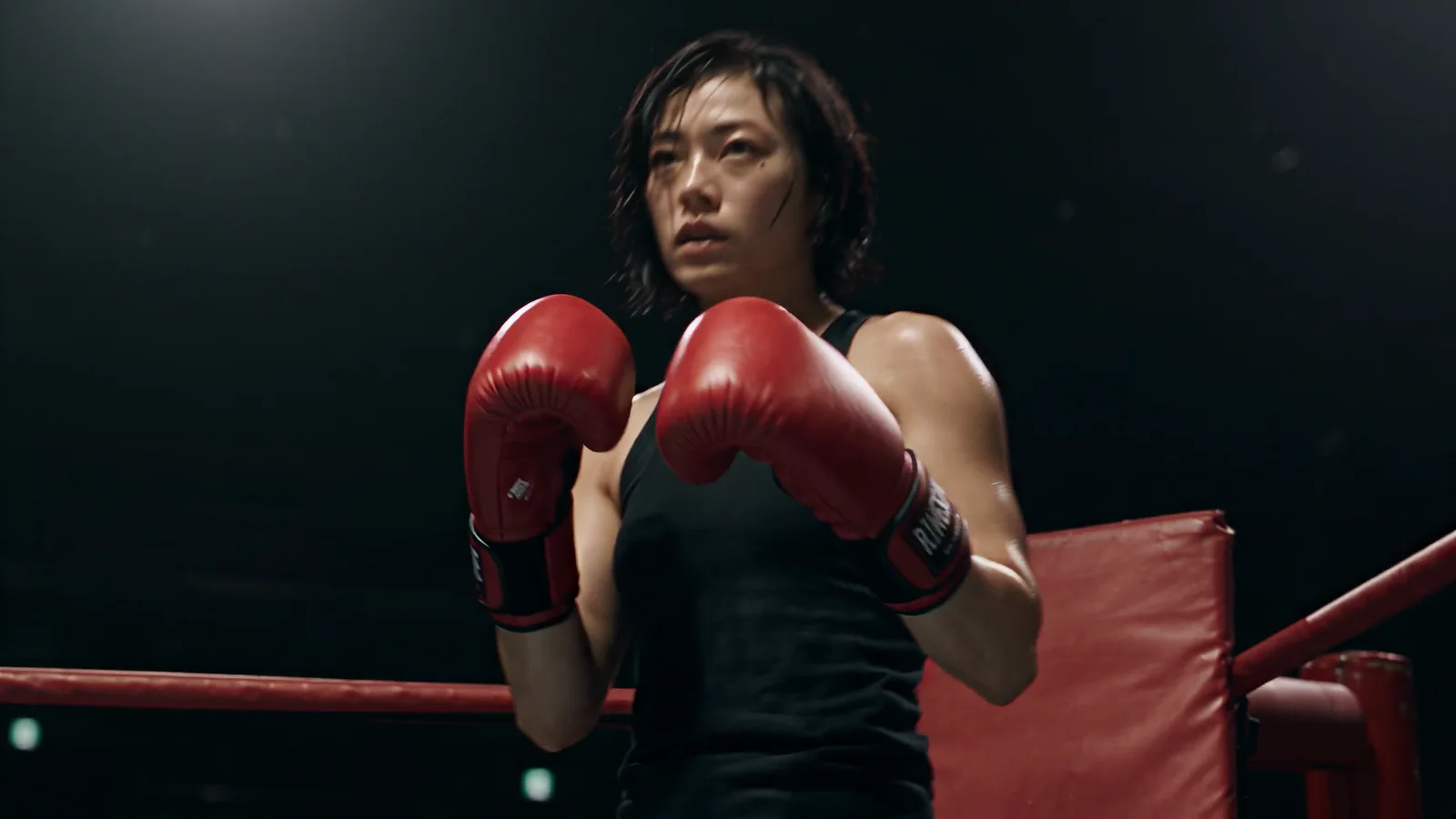
A character can keep the same hair and costume while losing everything the story just changed. 9Miho records the cause and the before/after state at each Moment, presents it for creator review, and makes that approved context available to the next Moment.
Reference matching preserves identity. 9Miho preserves change—and the event that caused it.
Each dimension stays distinct so a later scene can express the right consequence instead of replaying a generic mood.
Injury, fatigue, costume, carried objects, physical ability, and other visible facts that should—or should not—change.
Fear, resolve, shame, desire, doubt, and the emotional pressure beneath the action.
Discoveries, misunderstandings, secrets, and information that should not leak backward into an earlier Moment.
Trust, suspicion, obligation, intimacy, and power—tracked as story state, not reduced to matching reference images.
The first complete Storyteller workflow is designed around a 9:16 episode of roughly 60 seconds and 6–10 Moments. Duration and format remain project choices.
Use conversation to shape the premise, hook, escalation, turn, and cliffhanger into a reviewable Episode Map.
Review proposed characters, relationships, references, and state changes. Draft is not Canon until the creator accepts it.
Record why the event happens, what the character does, what the outcome changes, and the four-dimensional state on both sides.
Keep the approved WHAT and WHY intact. Corpus-grounded Direction turns change into gaze, breath, posture, blocking, camera, light, dialogue, and sound.
Storyteller reuses 9Miho's catalog, execution, spend gate, exact revisions, and model Dialects internally. A normal Storyteller flow does not require switching workspaces.
Place exact Take revisions on the picture-and-sound timeline, grade the cut under colour management with per-clip ASC CDL, then render the episode here — or hand it to a master suite as an OTIO timeline with a 10-bit ProRes 422 HQ or DNxHR HQX mezzanine, grade sidecars, and the production record.
9Miho checks story time, state handoff, and declared references before a paid generation. Errors can stop the run; warnings stay with the creator to review. Each Direction drives its own generation, so every paid run is one the creator chose to start.
The 9Miho showcase pairs finished cinematic shots with chronological frames and a real Canvas session—from pinned references and Direction to the selected result.
Open the 9Miho showcaseCharacter change example. Before Moment 07, the character carries fear and distance. The event and choice to return to the ring changes that state into resolve and trust.
Microdrama is the first market where continuity failures become immediate and measurable. 9Miho's larger direction is to carry the same Canon, character state, model record, and selected Takes into longer episodic production, so a long story stays as directable as a sixty-second one.
Keep the cause. Change the model. Preserve the Take.Short, vertical episodes with 6–10 Moments and explicit character-state review.
Longer episodic production that reuses the same Canon and approved state across more scenes.
A production system where story decisions, model execution, selected Takes, and edit handoff share one traceable graph.
It is the production of short, usually vertical serialized drama with AI-assisted story development, directing, image, video, and audio tools. In 9Miho, the first complete workflow targets roughly 60 seconds and 6–10 Moments, while project duration and format can be changed.
Reference assets preserve appearance, which is the model's job. Storyteller records external state, inner state, knowledge, and relationships before and after each Moment, together with the event that caused the change. The creator reviews that context before it guides a later Moment.
No. The agent can propose episode structure, character state, and directing choices. The creator reviews what becomes Canon and separately confirms paid generation. Draft proposals do not silently become story truth.
Not for the normal Storyteller flow. Storyteller reuses the Canvas catalog, execution, spend gate, output registration, and revision contract as its internal generation engine. Canvas remains available as an advanced graph workspace when direct control is useful.
Yes, where a supported catalog Variant and execution profile are configured. 9Miho can use compatible ComfyUI-backed endpoints and paid provider APIs in one production system without silently substituting an unavailable model.
No. Cutting Room assembles and reviews exact 9Miho Take revisions with picture, sound, and a colour-managed 8-bit browser preview, then hands the sequence off with OTIO, media, a manifest, and grade sidecars. Final colour finishing remains downstream.
No. Storyteller structures and reviews narrative state, and one Direction currently feeds one consuming generation. Automatic long-form breakdown, paid-job fan-out, and full-series generation are not current promises.
Design the story state first. Corpus-grounded Direction translates it for the selected model, the internal Canvas engine executes it, and the approved Take carries into Cutting Room.